New Central Bank Powers Threaten Visa and Mastercard Blocking
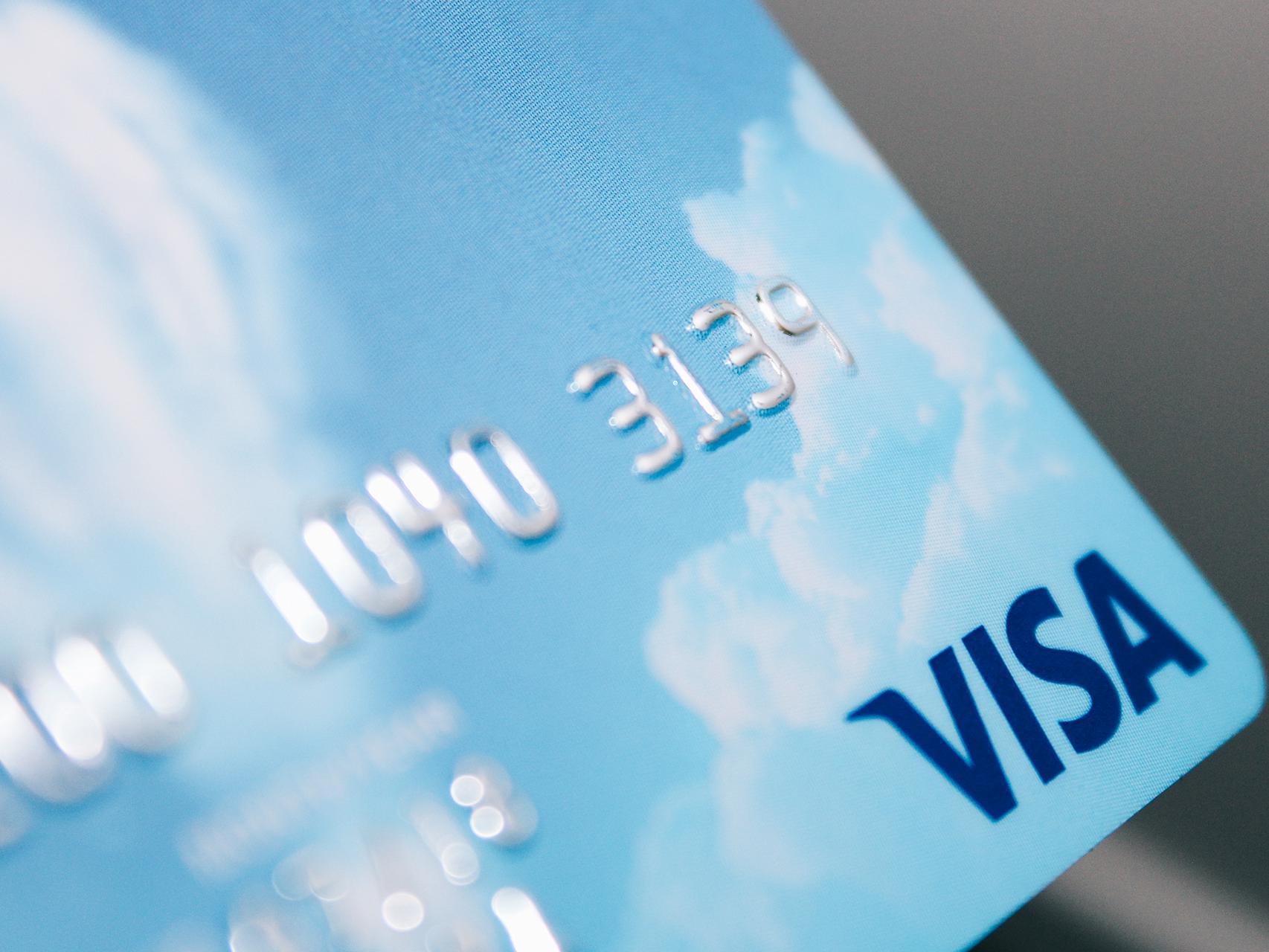

Millions of Visa and Mastercard cards are under threat of blocking, and their servicing could sharply increase in price. The cause is a dispute over a bill giving the Bank of Russia the right to limit the validity of plastic cards. The regulator sees this as a mechanism to combat fraud, but credit institutions are warning of catastrophic consequences for the market and clients.
Visa and Mastercard are international payment systems based on bank cards of the same name. They are used in most countries worldwide. They left Russia in 2022. Transactions now go through the National System of Payment Cards (NSPK). Old cards can still be used, but outside Russia they do not work.
The Gist of the Changes
The bill, preparing for a second reading in the State Duma, plans to empower the Bank of Russia«s board of directors to set a maximum service life for bank cards. The formal goal is to increase security: the longer a card is in circulation, the higher the risk of its data being leaked. At the same time, the Bank of Russia states that it does not intend to immediately introduce restrictions but wants to have such a tool »just in case«.
Why Banks Are Opposed
The National Council of the Financial Market (NSFR) issued a sharply negative review. Bankers see three key threats in the initiative:
Actual blocking of Visa and Mastercard. Limiting the validity period could lead to the forced and rapid withdrawal from the market of tens of millions of cards from international systems that Russians still have.
A sharp increase in costs. Mass forced reissuance of cards will result in colossal operational costs for banks (blanks, chips, logistics), which will inevitably hit their profits and could lead to increased fees for clients.
Interference with contracts. The card«s validity period is part of the civil law contract with the client. Banks believe that targeted regulation here is unacceptable.
Underlying Motives
Experts suggest that the regulator may have deeper reasons. First, it is accelerating the departure of Visa and Mastercard against the backdrop of geopolitics. Second, financial benefit for the «Mir» ecosystem: cards from international systems, whose tariffs have not changed since 2022, are still more profitable for banks than domestic ones, for which the Bank of Russia is reducing commissions. New rules could force banks to more actively transfer clients to the Fast Payment System (SBP), «Mir», and biometrics.
What Comes Next
The Bank of Russia is currently holding off, stating that it will not apply the new right in the near future but also does not intend to abandon it. Banks insist on completely removing the controversial norm from the bill. The outcome of this struggle will determine how quickly Russians will have to finally say goodbye to familiar cards and how much more expensive their replacement will be for banks.
As noted by the Bank of Russia, the use of cards from international payment systems in Russia has significantly decreased in recent years. Kommersant, citing a survey of large acquirer banks, specifies that the share of such cards is about 20% of the total transaction volume in Russia.
Three years ago, disconnecting Russian banks from the SWIFT system was called a «financial nuclear weapon» capable of paralyzing the economy. Today, the West and Russian legislators are talking about a possible easing of sanctions. Whether Russia will be reconnected to SWIFT, when this might happen, and what factors could influence it — in the material by our colleagues from NGS.RU.