Money transfers face more frequent blocks in Russia
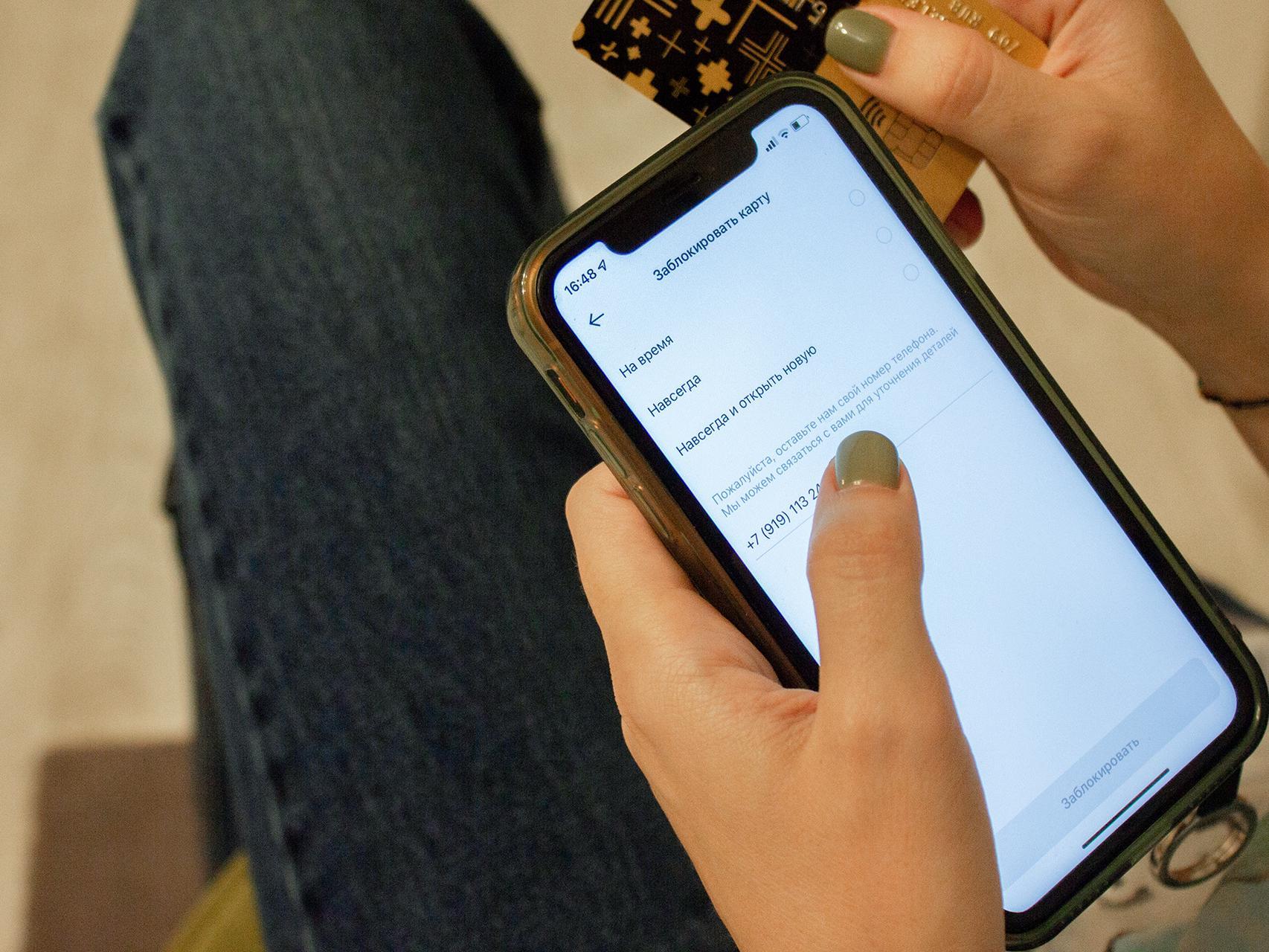

This year, Russians will continue to have their accounts and transfers temporarily blocked. Investment advisor from the Central Bank register Yulia Kuznetsova predicted that this trend could even intensify.
Since the beginning of 2026, 2–3 million cards of Russians have been blocked, writes Kommersant. However, the Bank of Russia refutes these data, stating only 7,431 appeals regarding blockings in the first 19 days of January, which is half the usual level of complaints.
According to Kuznetsova, temporary restrictions on access to citizens« accounts and cards are not an anomaly or a one-time campaign, but the result of strengthening anti-fraud systems undertaken by banks. To date, financial organizations have moved from targeted responses to fraud to large-scale automated models for assessing customer behavior. These models analyze not the client»s identity, but their transactional activity:
frequency of operations;
amounts;
types of recipients;
sudden changes in usual financial behavior;
active purchases on marketplaces;
transfers between own accounts.
And thus, temporary blocks most often affect honest customers, as their behavior is deemed atypical or potentially risky by the algorithm.
«In 2026, this trend is highly likely to persist and even intensify,» the economist noted in a conversation with Gazeta.Ru.
The reason for this is simple: fraudulent schemes are becoming more complex, and the Central Bank requires banks to take preventive measures, not react «after the fact.» In this situation, it is more beneficial and reliable for banks to temporarily suspend an operation or block an account than to allow a dubious payment and bear reputational and regulatory risks. Therefore, the number of blockings will depend more on the economic and consumer activity of the population than on the level of crime.
In most cases, money transfers and accounts are most often blocked in spring and autumn. For example, in spring, the number of operations increases after the winter lull, transfers, online purchases, tax and mandatory payments become more active. In autumn, business activity peaks, expenses on education, purchases on marketplaces, and large acquisitions increase, which, in turn, leads to a rise in the number of anti-fraud system triggers.
If a bank has frozen a transfer — even between own accounts, it is best to immediately stop and not attempt to repeat it, as this is considered the most common mistake and the bank interprets it as strange financial behavior. About what is really important to do in such a situation, we wrote here.