FAS to Strike at Tariffs: How This Will Affect Utility Bills
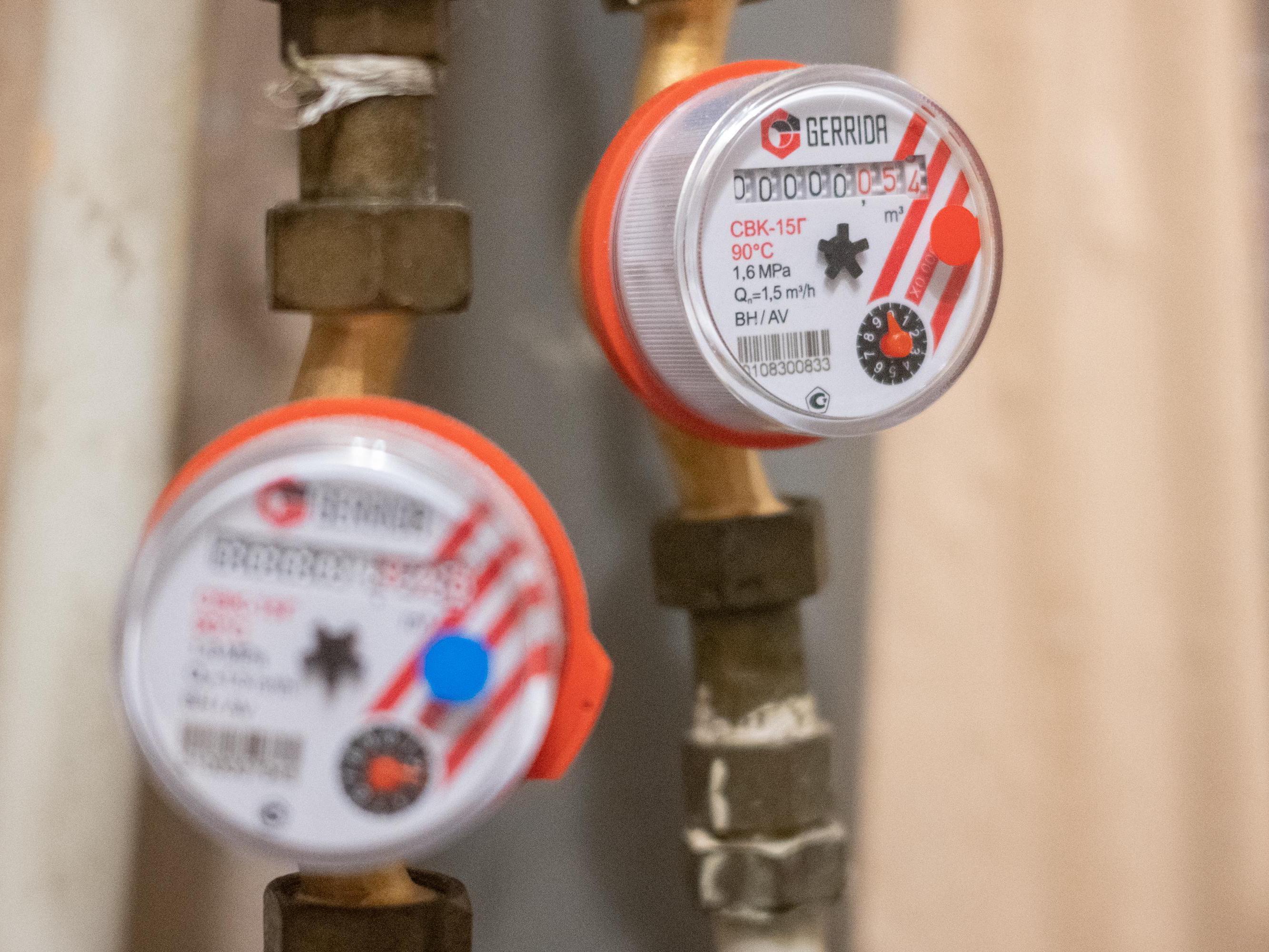

The water supply sector faces a complex situation with tariffs failing to cover costs.
The Federal Antimonopoly Service (FAS) will gain new powers and be able to forcibly set economically justified prices for heating, water, and electricity if regional authorities ignore its instructions. The corresponding bill was adopted by the State Duma in the first reading. However, experts have mixed views on the prospects of such centralization: some expect fairer tariffs, while others doubt they will actually decrease.
Why the Changes Are Needed
The reason for tightening control was 102 billion rubles (approximately $1.4 billion at current rates) in unjustified charges uncovered by the FAS over the past three years.
The problem is systemic. As reported by Svetlana Razvorotneva, deputy head of the State Duma committee on construction and housing and utilities, in 2024–2025 alone, 93 cases of non-compliance with the service«s decisions were recorded, with 56 of them attributed to just five regional regulators. »The new procedure will increase the percentage of compliance with our instructions. If a region is inactive, the FAS will be able to independently revise the maximum price levels,« she explained.
«Boiler» Control and the Fight Against Lobbying
One of the key innovations is aimed at correcting the situation with the so-called «boiler» method of revenue distribution in the electric power industry. The essence of it is that the system-forming grid organization (the conditional «boiler holder») receives the total payment for electricity transmission services from consumers and then must distribute these funds among the other grid companies in the region. In recent years, this mechanism, according to the regulator, has become a source of non-transparent manipulations and conflicts.
«The new procedure should make this process transparent,» explains Svetlana Razvorotneva. «In case of non-compliance with the FAS decision, it will be able to revise the maximum price levels and determine an economically justified share of revenue for each company.»
«The proposed measure is aimed at eliminating arbitrariness on the ground,» noted Vladimir Prokhorov, a member of the general council of Delovaya Rossiya (Business Russia). «It will help eliminate cronyism and establish equal pricing standards.»
Deputy Razvorotneva also points out that the root of the problem is the «human factor» and lobbying.
«The best lobbyists achieve the best tariffs. The energy sector traditionally wins, while water supply is chronically underfunded,» she added.
Infrastructure Dead End and Investment Deficit
Experts agree that tightening control is necessary but will not solve the main problem — the catastrophic wear and tear of utility networks due to chronic underfunding.
«Tariffs have systematically lagged behind inflation by more than 40% over ten years, which directly affects the inability to maintain infrastructure,» said Lev Gorilovsky, chairman of the housing and utilities committee of Delovaya Rossiya.
A particularly acute situation has developed in the water supply sector, writes Izvestia. According to Sergey Krzhanovsky, director for interaction with government authorities of GC Rosvodokanal (Rosvodokanal Group of Companies), tariffs have long not covered the cost price, and understated investment expenditures create a chronic deficit that hinders network development.
Prospects: Equalization Instead of Reduction
The question of whether strengthening the role of the FAS will lead to a noticeable reduction in utility bills remains debatable. Most experts predict not so much a reduction as an equalization of tariffs and an increase in their justification.
«Centralization and transparency reduce the opportunities for »gray« markups. This will provide consumers with fairer tariffs,» believes Stanislav Guzhov, associate professor at RANEPA (Russian Presidential Academy of National Economy and Public Administration).
Skeptics, such as Andrey Zhbanchikov, head of the public council at the State Housing Inspectorate of the Saratov Region, point out that the FAS has previously participated in coordination, but no real reduction occurred. In their opinion, the key should be not only control of numbers but also supervision of the implementation of investment modernization programs.