Even Rich Notice as Russian Restaurants Close, Delivery Grows
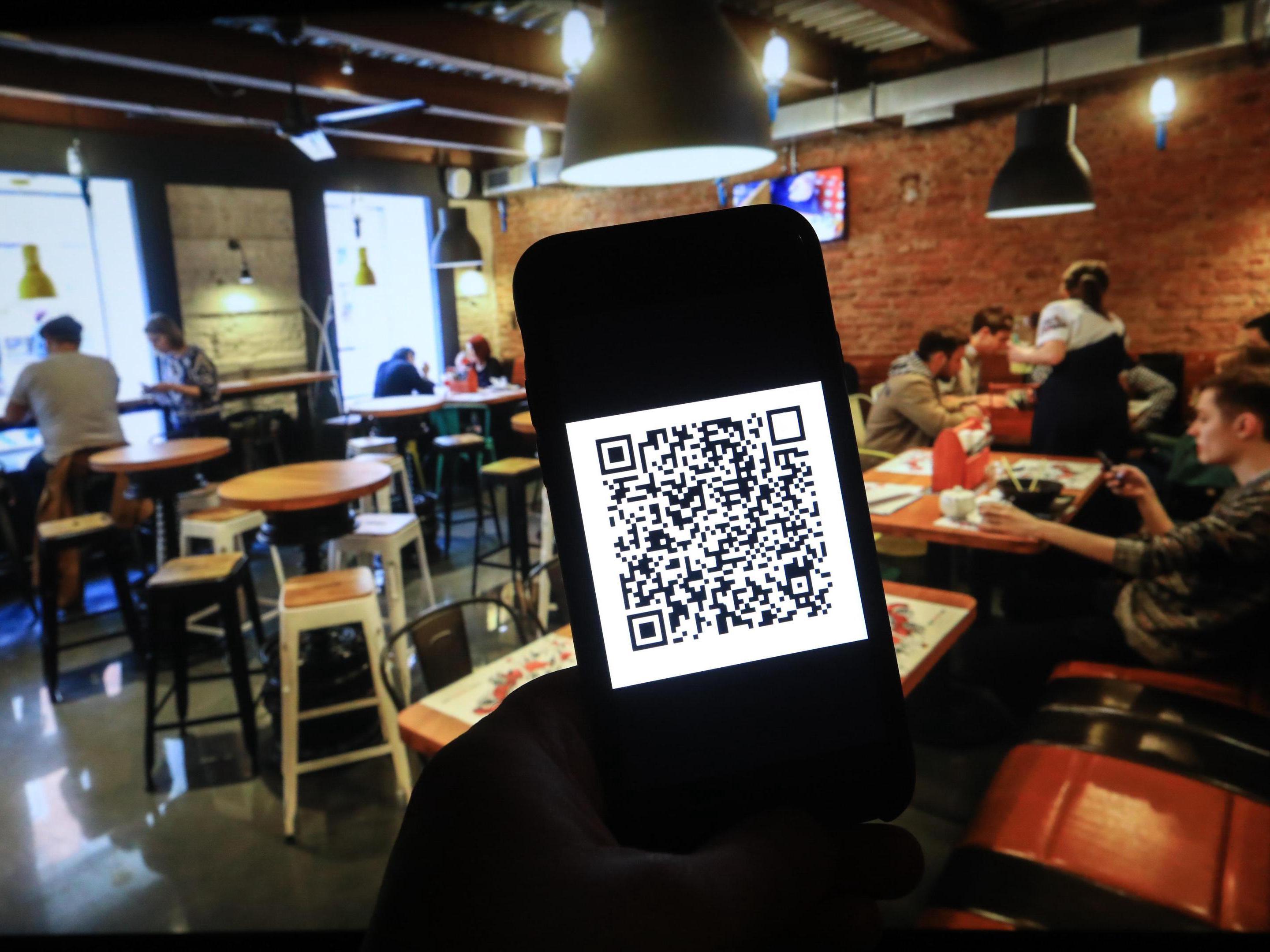

The Russian public catering market is experiencing one of the most difficult periods in recent years. Major restaurant chains, coffee shops, and bars have begun to scale back their businesses or reduce their presence en masse. Well-known players such as Shokoladnitsa, Rostiks, Yakitoria, and Menza are leaving the market or optimizing.
By the end of the year, the number of liquidated catering establishments grew by 10% and reached 35.4 thousand. Analysts attribute this trend to the slowdown in industry growth, rising operational costs, tax burden, and the widening gap between opening new outlets and closing existing ones.
At the same time, experts note: this is not just a temporary downturn, but a deep market transformation. Pressure from the state, changing consumer habits, rising prices for products, logistics, and personnel are leading to the classical restaurant model increasingly giving way to alternative formats — delivery and so-called dark kitchens (ready-meal factories that then supply delivery services).
MSK1.RU discussed the reasons for what is happening, regulatory mistakes, and the future of the restaurant business with chef and TV host Vasily Emelyanenko.
— Why have restaurant closures become so widespread right now?
— It«s not that simple. As soon as you start officially registering employees, you immediately face a huge tax burden: insurance contributions, VAT, and other obligations at such percentages that it becomes unprofitable to keep people on staff. Therefore, very few employees in restaurants work officially — most are on contracts, agreements, or hire.
The problem is that laws are created by people who have no connection to the restaurant business. We«ve been saying for years: let the business participate in developing the rules. Because those who write them don»t know the inner workings of the market, haven«t worked in restaurants, and don»t understand how everything works from the inside.
The same goes for sanitary norms. For years, we had to prove that many requirements are simply irrelevant: the world has changed, technologies are different, products are different. But it feels like they«re always looking for something to fine the catering industry for. At the same time, the industry as a whole is interested in quality and safety — most chefs and restaurateurs genuinely want to do things well and modernly.
— It«s often said that restaurants close due to the inefficiency of the owners themselves. Do you agree?
— Partly yes, but that has always been the case. There has always been a category of people who made money and decided: «Let»s open a restaurant.« They don»t understand that this is a special business. They jump in quickly, get burned, pour money in for six months to a year, realize it«s a black hole, and close.
It«s just that no one wrote about it before. And now they»ve started talking because new tax measures and the increase in VAT have shaken the market. But primarily, inexperienced players are closing. Experienced ones still find ways to adapt — how to navigate between requirements so that the business survives and everything is formally correct.
This is a market transformation. But I believe that new tax measures have never stabilized the market in history — they have destabilized it. That«s my conviction.
— How does the fall in consumer demand affect catering? It«s clear that for many, going not just to a restaurant, but even to a cafe — is already an unaffordable luxury.
— The layer of truly rich people in our country has always been narrow. Yes, visually it seems like there are many rich people: many cars, many restaurants. The rich continue to go to restaurants, but even they are adequately reacting to the sharp rise in prices.
Product prices are rising, gasoline is becoming more expensive — so all this automatically ends up on your plate. Even if a person has money, when yesterday tartar cost 1,500 rubles (about $17), and today it«s already 1,900 rubles (about $21), it raises questions. Not because there»s no money, but because the jump is too sharp. As a result, people start going to restaurants less often. But they don«t stop eating. So the audience flows into other formats.
— Do they order ready-made food for home?
— Yes. Dark kitchens are really snatching a piece of the restaurant business now. Because a restaurant — is an emotion, an impression, you don«t go there every day. And at home, people want understandable home-style dishes, basic types of soups, salads.
We, for example, launched a line of my signature dishes in Samokat. In December, 160 thousand portions were sold. And this despite the fact that the project just started, the assortment was limited. People buy because they understand: if the dark kitchen has poor quality, tomorrow simply no one will buy from you.
At the same time, dark kitchens also can«t make »cheap trash«. Yes, somewhere more potatoes, less meat, but they also suffer from rising prices. Meat, vegetables, logistics — everything is getting more expensive. There is a constant struggle for cost between kitchen-factories and delivery services.
— Well, what is your forecast for this, for the coming years: will delivery completely displace restaurants? Like, for example, marketplaces buried shopping malls and offline trade in general.
— No, completely — no, it won«t displace. These are different products. But delivery will grow very quickly. According to various data, over the last 3–5 years, the dark kitchen market has grown by 1000–1600%. And the trend is such that in the next 10 years, growth could amount to another about 2000%. That is, 20 times.
People simply count convenience. Why cook, wash containers, if you can order quality food? They get an awesome borscht with cherries and porcini mushrooms or an awesome fish soup with smoked pollock and seaweed for 350 rubles (about $4). And a restaurant for them — is expensive.