Coffee prices soar in Russia, raising cost per cup
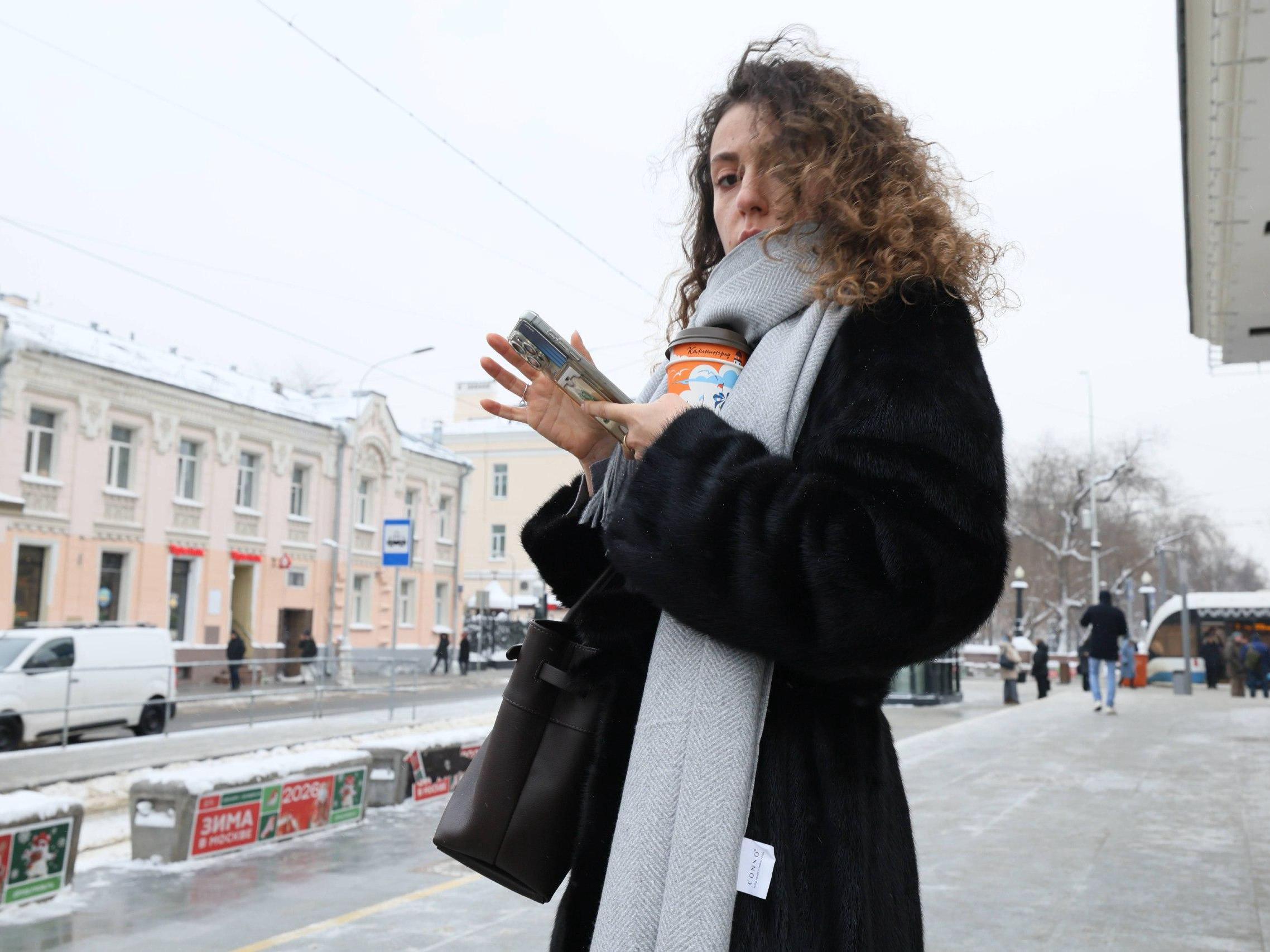

Coffee in Russia has become so expensive in 2025 that it«s impossible to ignore. Prices for instant and bean coffee continue to steadily climb in 2026 as well, setting new records. MSK1.RU asked experts what is happening with the cost of this product, why the usual morning cup of invigorating drink is becoming an expensive pleasure, and whether there is a chance that coffee will stop rising in price.
Will coffee become an inaccessible luxury?
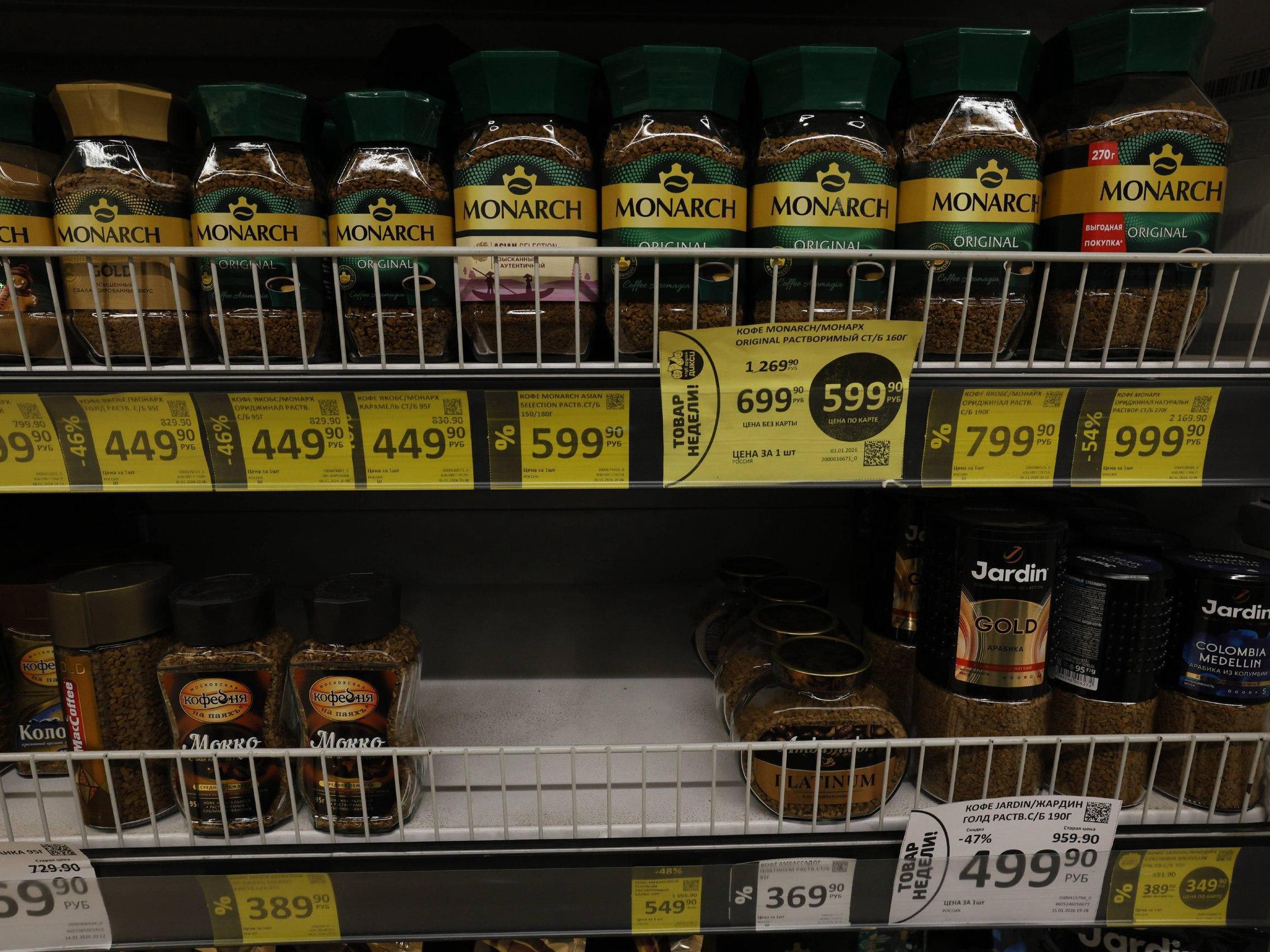
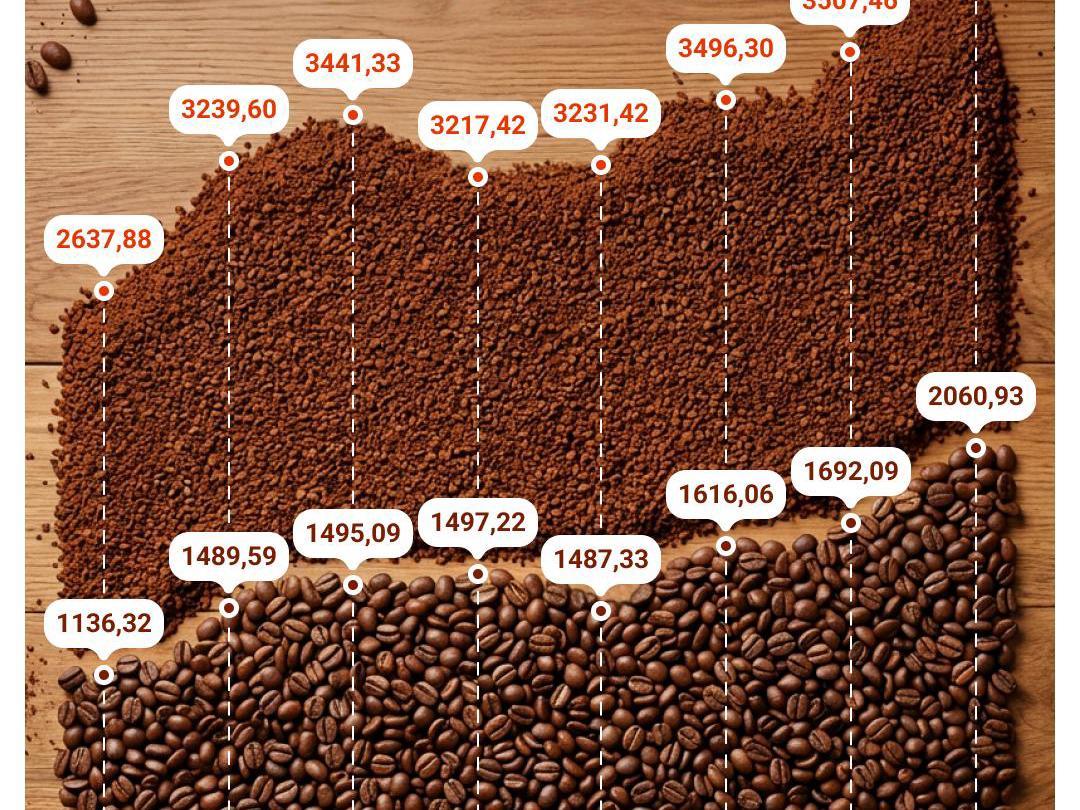
Coffee prices have been confidently rising over the past three years. Both instant and bean coffee have become more expensive. According to Rosstat (the Federal State Statistics Service), in January 2022, a kilogram of instant coffee in Russia cost an average of 2,638 rubles (approx. $29 at current rates). By the end of that same year, the price jumped by a quarter. In 2023, the price decreased slightly, but, alas, not for long.
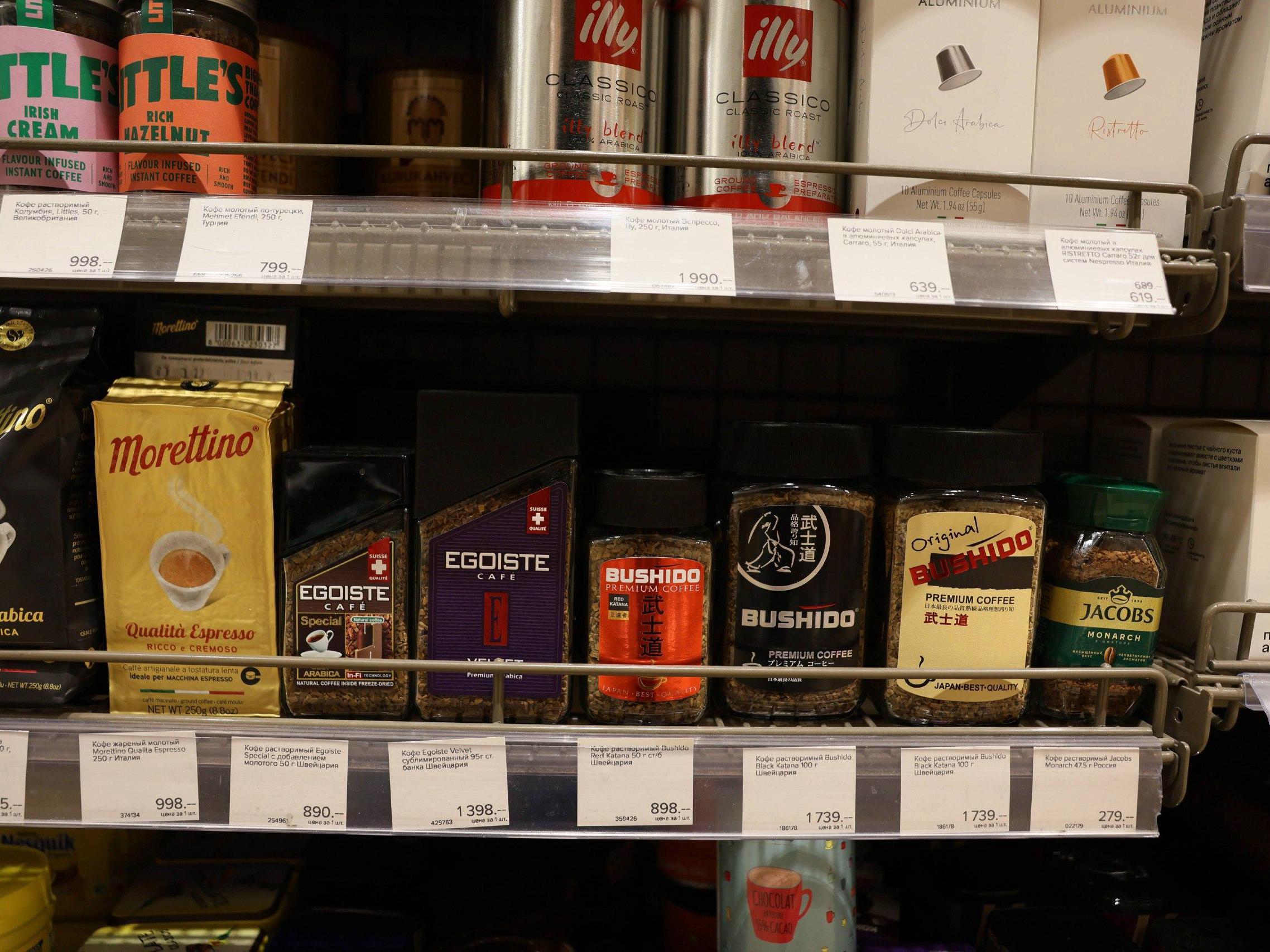
In January 2024, the price tag for instant coffee confidently began to rise and by December had reached the mark of 3,500 rubles (approx. $39 at current rates). And in November 2025, this product updated its maximum — 4,152 rubles per kilogram (approx. $46 at current rates). In total: instant coffee, which was long considered a budget option, gradually lost this status and over three years increased in price by almost 60%.
Prices for bean coffee grew less rapidly, but almost without pullbacks. In January 2022, a kilogram cost 1,136 rubles (approx. $13 at current rates), and by December — already 1,490 rubles (approx. $17 at current rates). Throughout 2023, the price practically froze around this mark, fluctuating within a few rubles.
A new rise began in 2024, and in November 2025 the price reached a maximum — 2,061 rubles (approx. $23 at current rates). Over three years, bean coffee increased in price by approximately 80% — much more than instant.
«Rosstat records averaged dynamics, which smooths out these sharp spikes across different goods and periods, so the consumer»s personal experience often turns out to be more painful,« comments MSK1.RU Dmitry Gushchin, General Director of Lalibela Coffee.
Why coffee is getting more expensive in Russia
At the beginning of 2025, experts assumed that coffee prices could rise significantly, but even their forecasts were far from reality: average growth was expected at 30–40%.
«In fact, we see price increases. According to market estimates and consumer observations, over the last 2–3 years, many popular brands of ground and bean coffee in supermarkets have risen in price by 50–100% or more. A package that cost 300–400 rubles in 2021 is now 600–800 rubles and above,» MSK1.RU was told by Anna Belikova, SEO of the coffee brand Elbeans.
In 2025, the price increase for this product in Russia was felt more strongly than «average inflation,» because coffee is almost entirely tied to imports and the exchange price of raw materials.
«World prices for coffee raw materials remained high. For Russia, this immediately translates into purchase cost, because there is no local raw material,» emphasizes marketer Anastasia Mikhaylova. «Fluctuations in the ruble plus the rising cost of international payments and logistics increase the price of a sack of coffee even before roasting. Delivery has become longer and more expensive, and also the more expensive packaging (film, valves, boxes) — a noticeable share of the cost.»
As a result, coffee has ceased to be a purchase unnoticed by the budget. Prices bite both for instant coffee, which has risen sharply, and for bean coffee, which has increased in cost more smoothly.
«Price increases happen in stages»
Lovers of the morning ritual and cafe visitors will have to either look for promotions and discounts or come to terms: coffee has again become an expensive pleasure.
«Coffee in cafes in general, by feel, has risen in price by about 20 percent,» MSK1.RU reader Dmitry said. «If we talk about the mass segment like »Cofix« (at one price), then there it seems more or less unchanged. If about specialty, then it»s already felt. The beans themselves have also become more expensive, because I order, and probably there is about a 10–15 percent increase.«
«I started drinking coffee less often, and not at all because doctors forbid it. And before, no morning began until I sat in the kitchen with a cup,» lamented pensioner Tatyana Anatolyevna.
Not only coffee lovers suffer from rising raw material prices, but also business owners. The myth of the «super profitability» of coffee in establishments and to-go is very tenacious, but reality is more complex. The cost of coffee in a cafe cup is about 20 rubles, the rest — milk, the cup itself, payroll for staff, rent, taxes. After deductions, the net profit is at best 15–45 rubles per cup.
«On average across retail and catering during 2025, coffee rose in price by about 15–30% year-on-year, and in certain formats and positions (especially 100% Arabica and specialty) growth could reach 35–45%,» Anastasia Mikhaylova explained to MSK1.RU. «On the shelf, this is most visible in medium+ segment beans/ground, and in cafes — in espresso-based drinks (cappuccino/latte), where growth often occurs not in one jump, but through several increases of 10–20 rubles over a year.»
What will happen to coffee prices in 2026
Forecasting coffee prices is always a complex equation with many variables: from weather in Brazil to the ruble exchange rate. However, there is a possibility that from 2026, the cost of coffee may rise due to an increase in VAT to 22%.
«Further growth will occur, but more stepwise and cautious. Expected +8–15% per year for the average market, if there are no new sharp jumps in currency and logistics. With a deterioration in the exchange rate/logistics and an increase in world raw material prices, growth of +15–25% and above, especially in Arabica, capsules, and specialty,» added Anastasia Mikhaylova.
Despite price increases, demand for coffee in Russia remains high — many are not ready to give it up. This allows companies to pass costs on to the buyer.
«In Russia, the market for coffee prepared outside the home is experiencing fierce competition. The entry of the largest federal retail chains into this market (for example, »Pyatyorochka« cafes, »Perekryostok« inside stores) radically changes the market landscape, setting a trend to reduce the price of a cup of coffee in the »to-go« format,» said Dmitry Gushchin. «Compared to the expenses of the average European or American ($3.5–5 per cup), the Russian today gets the minimum cost for quality coffee, born from the struggle of formats and producers.»
Moreover, experts expect that in 2026–2027, the robusta harvest will be 10% higher than the previous season, and exports may grow by 7% — to 1.6 million tons.
«The period of shock spikes is probably behind us. But the era of cheap coffee is over. We are entering a plateau phase with moderate volatility, where the price will be determined by currency, competition, and consumer habits. The main restraining factor now is consumers» unwillingness to pay more,« believes Anna Belikova. »Retail prices in stores should not rise sharply, but significant reduction is not to be expected either. A correction of 5–10% down by the end of 2026 — beginning of 2027 is possible if exchange prices remain at current levels and the ruble is stable.«
Earlier, experts said that the increase in price of the invigorating drink could become record-breaking since the start of the military operation. The most expensive coffee in Russia was in Moscow, but in this list of anti-leaders, other cities unexpectedly appeared. There is also a possibility that due to coffee shortage we may return to barley drinks and chicory.