Why You Shouldn't Take Out the Trash on St. Nina's Day

This day gets its name from St. Nina, the Enlightener of Georgia. According to church tradition, in the 4th century, she played a key role in spreading Christianity throughout the country. It is believed that the Lord blessed Nina for her apostolic mission, and the Virgin Mary presented her with a cross woven from grapevines. In the Orthodox tradition, St. Nina is venerated as Equal-to-the-Apostles.
In the folk calendar, the name of the day gained a more domestic meaning. During this period in Russia, it was customary to pay special attention to livestock. Animals were groomed, barns were cleaned, bedding was changed, and they were fed fresh bread and vegetables. It was believed that caring for livestock on this day promoted their health and good offspring. As the folk saying goes: «On St. Nina»s day, treat your livestock well.«
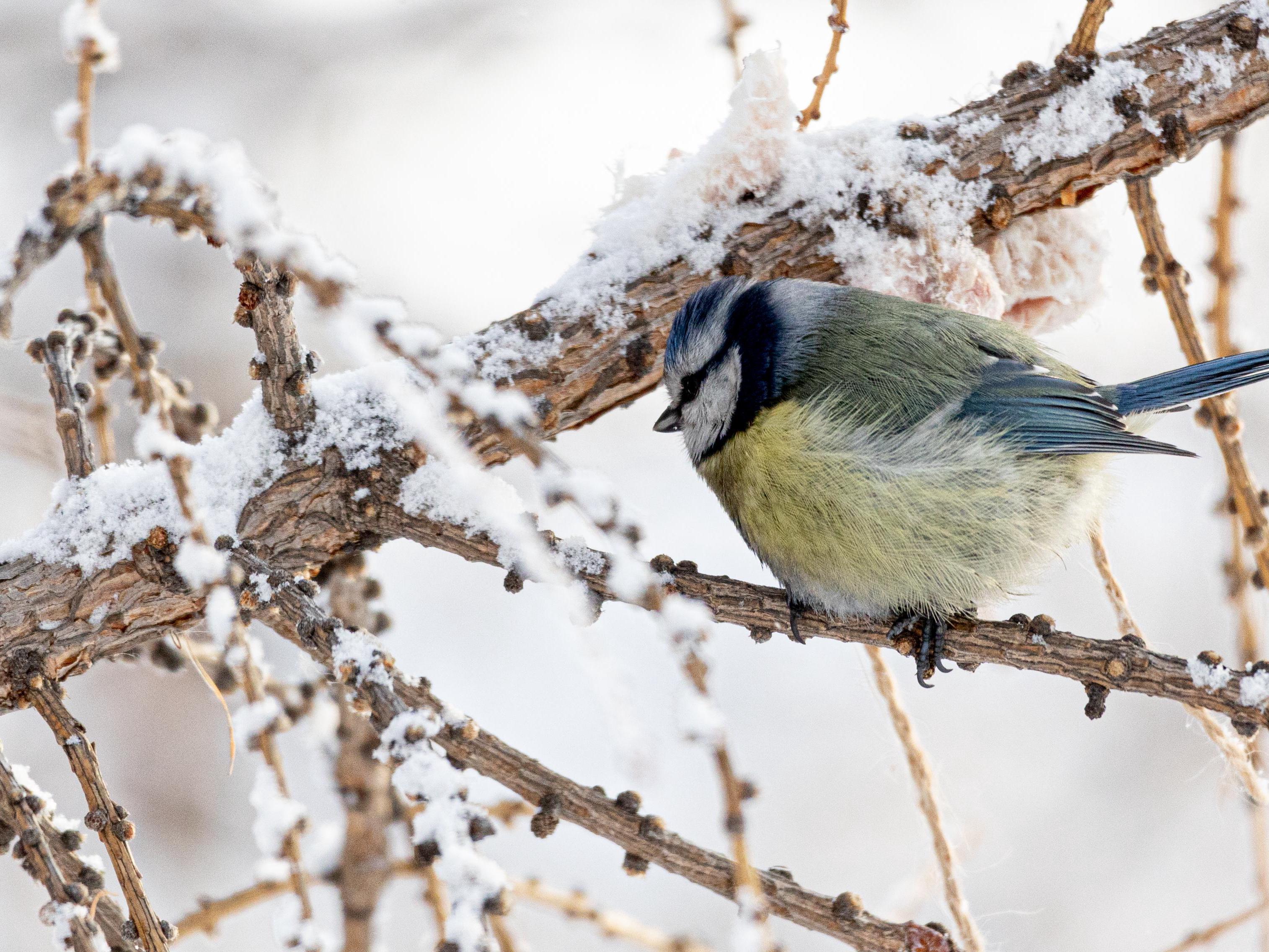
The date was also associated with weather omens. Frost on trees was thought to foretell a warming trend, while thick white clouds indicated strengthening frost. Snow on a cold day was seen as a sign of an imminent thaw, whereas a light pillar at sunset was conversely linked to approaching cold. People also paid attention to bird behavior: roosters crowing early promised warmth, while morning crowing of crows foretold a blizzard.
There were also behavioral restrictions. According to folk beliefs, on this day it was not advisable to sleep in or be idle, to quarrel with relatives, or to raise one«s voice. It was advised to nip conflicts in the bud. It was also considered undesirable to cut one»s hair, visit a barber, or take the trash out of the house.