New book reveals Mamayev Kurgan criticism and museum move
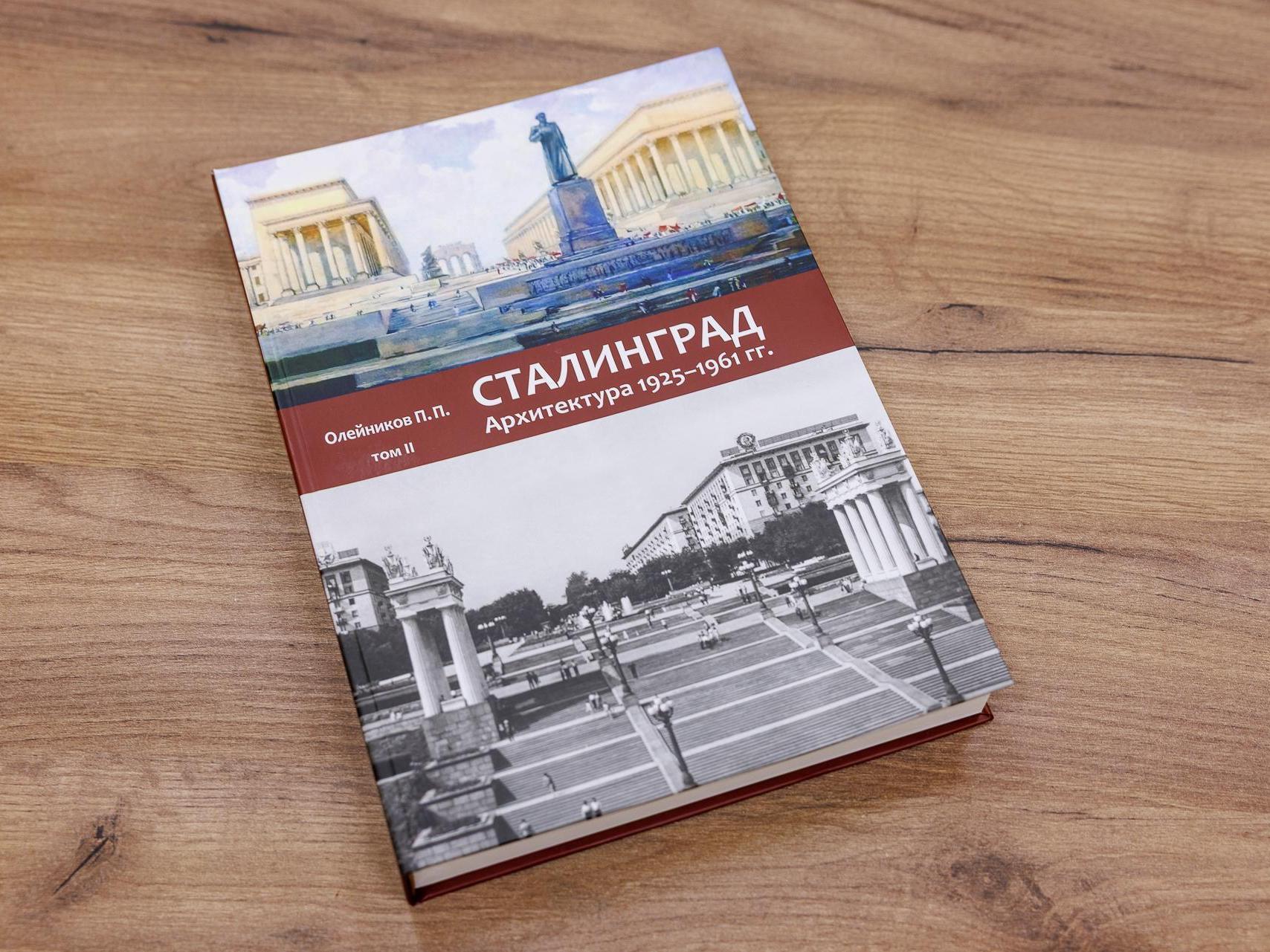

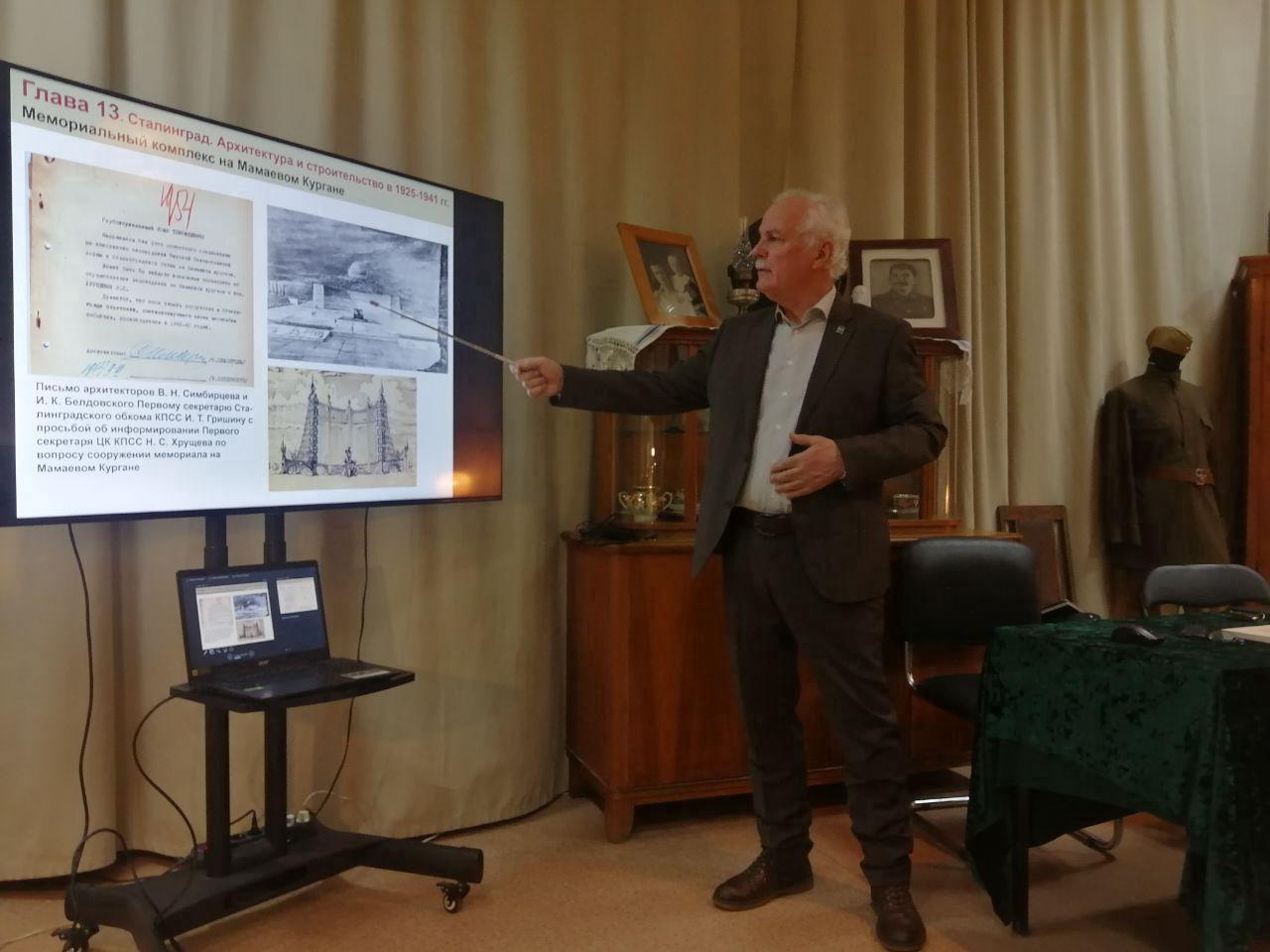
The presentation of the second volume of the research «Stalingrad. Architecture 1925–1961» took place on January 23 at the Volgograd Regional Local History Museum. The author of the work, architectural historian Petr Oleynikov, presented a detailed chronicle of the post-war revival of the city.
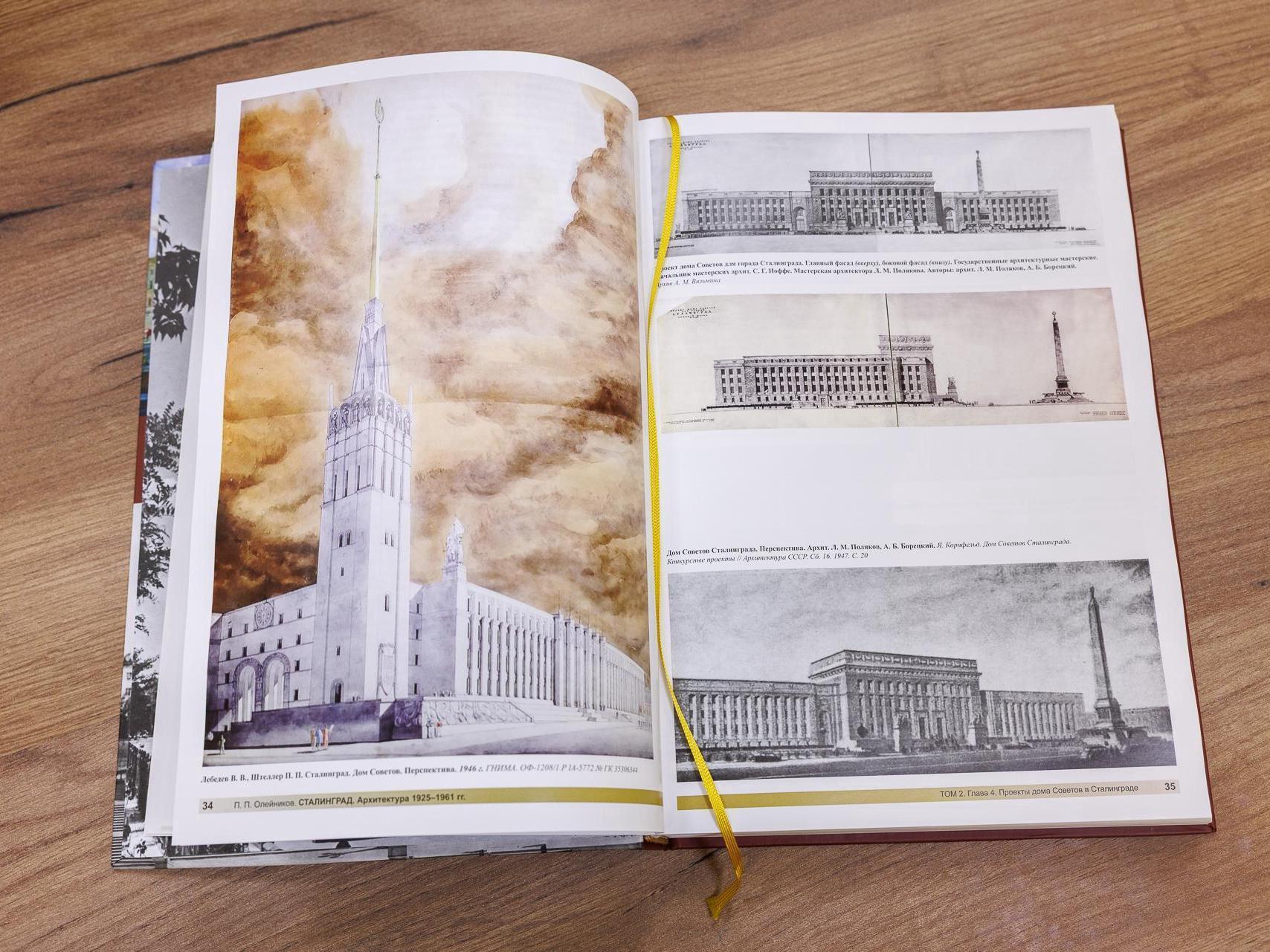
The monograph systematizes information on the development of Stalingrad«s architecture and fills gaps in its history. In creating the book, personal archives of descendants of leading architects who participated in designing both realized and unrealized city objects were used.
«Somehow we managed to organize a meeting with the son of Vasily Simbirtsev — the chief architect of Stalingrad from 1944 to 1959,» says Petr Oleynikov. «We began communication and cooperation, as a result of which he gave us his father’s archives — documents on Stalingrad from »44 to «59. Imagine, what photographs, drawings, projects are there — they are presented in our book. These are documents that have never been published before. On them, Simbirtsev dated, made notes and signatures by hand. Here we can see, for example, how in 1957 the decision was made to allocate land for the Alley of Heroes.»
The publication also describes the history of the scandal related to the project of the memorial ensemble on Mamayev Kurgan. In 1960, writer Boris Polevoy, author of «The Story of a Real Man,» published an article in «Komsomolskaya Pravda» titled «Should the Monument to the Heroes of Stalingrad Be Like This?» He criticized the project for gigantomania and the lack of an open competition. After conversations with Minister of Culture Ekaterina Furtseva and in the Central Committee of the CPSU, Polevoy ceased public speeches on this topic.
Originally, the museum-panorama «Battle of Stalingrad» was planned as part of the ensemble on Mamayev Kurgan. Architects, including Israel Fialko, came to the conclusion that the museum building would overshadow the statue of the Motherland. They appealed to Nikita Khrushchev, and as a result, the museum was moved to the embankment, where it is located today.
The first volume of this research was dedicated to the pre-war architectural life of Stalingrad.