Fall Currant Planting, Pruning, and Winter Prep


Gardeners prune older currant bushes to rejuvenate growth and maintain stable yields.
Currants are very popular with home gardeners for their flavor and low-maintenance care. The shrubs truly need little attention, but it is important to prune correctly and plant new specimens on time. Together with an agronomist, we look at the nuances of caring for this crop.
When to plant currants in fall
Currants are among the easiest crops to grow. In the first three to four years, shrubs require no special care. After that, only preventive pruning and treatment against pests and diseases are needed. At the age of 8–9 years, shrubs begin to bear less, so it is worth planting new ones.
«It all depends on the currant variety. For example, “Lama” — a black currant — is very long-lived; it can grow for 15–20 years without reducing its yield. But all the large-fruited varieties of modern breeding, whose berries weigh 7–8 grams, have a shorter lifespan. After eight years, yield drops sharply, and you have to use bush rejuvenation methods or plant new ones,» explained Lyudmila Shubina, agronomist, Candidate of Agricultural Sciences.
Fall planting is preferable for currants, as there are no pests at this time, the soil has enough moisture, and cool weather allows plants to root well. Garden work should be finished by mid‑October.
«There are far fewer force majeure risks in fall, and plants establish better. In spring a gardener already has plenty to do, and there is simply no time to plant a garden,» the specialist noted. «That’s why I advise planting currants, gooseberries, and honeysuckle in fall.»
Seedlings can also be planted in spring, but be prepared to care for them more diligently.
Currants prefer sunny spots but can also grow in partial shade. Dig a planting hole about 50 cm deep. Put drainage at the bottom, and add half a bucket of well-rotted compost to the hole, plus a tablespoon each of double superphosphate and potassium sulfate. For fall planting, do not apply nitrogen — it can trigger leafy growth.
How to prune currants in fall
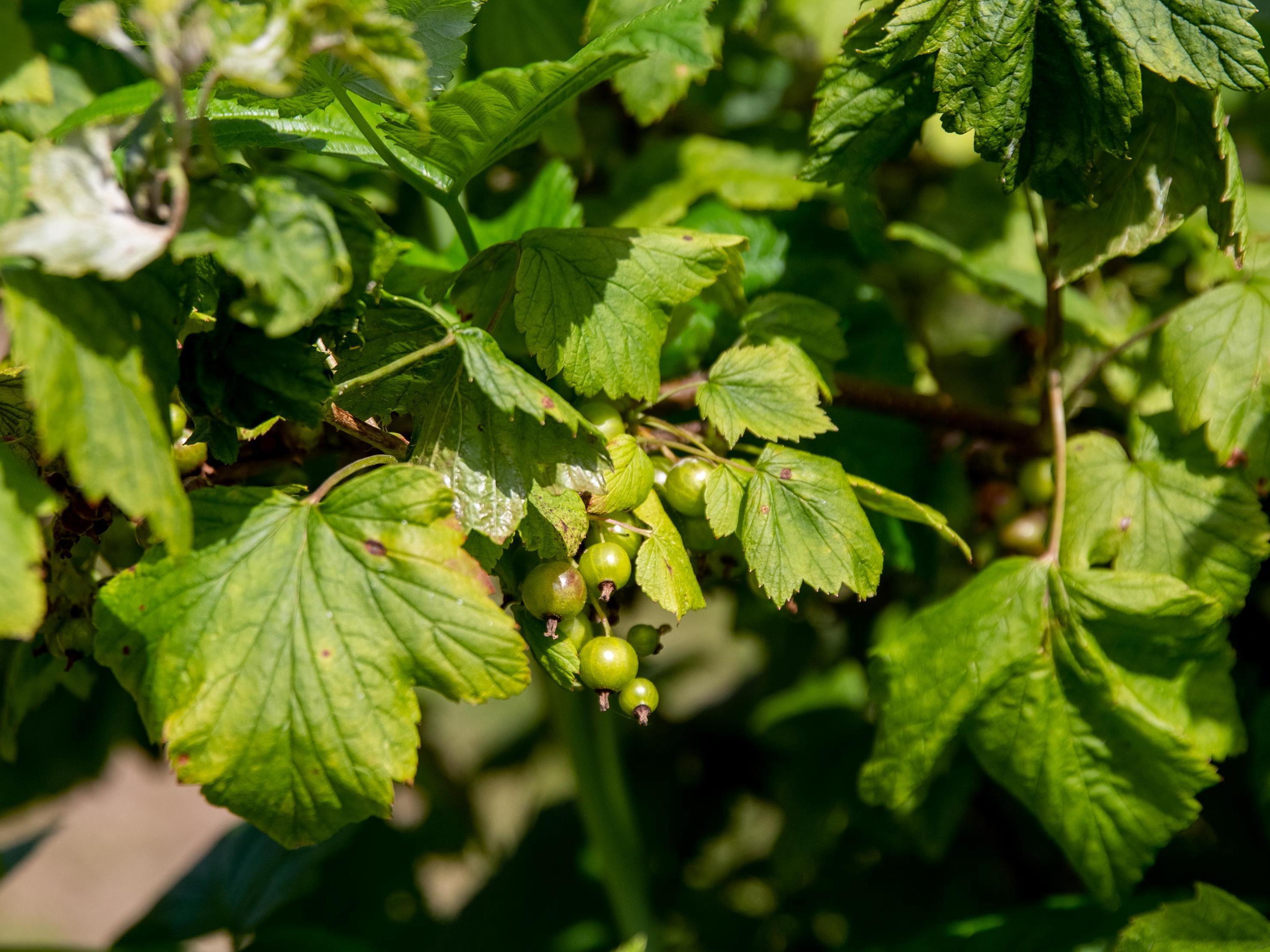
Large-fruited currant varieties typically have shorter productive lifespans than smaller-berried cultivars.
In fall, heavy pruning should be done only on older bushes to rejuvenate them. After eight years of growth, cut out three- to four-year-old shoots, leaving a small stub with buds for replacement.
«We cut right down to the very base of the bush — this way we can rejuvenate it. But you don’t need to remove everything; it’s enough to take out two or three such branches in fall to get replacement shoots,» explained Lyudmila Shubina.
On young bushes, in fall remove only diseased and dried branches and leave the rest until spring.
What to feed currants in fall
Currant bushes must be fed in fall to ensure a good harvest next season. Apply only phosphorus–potassium fertilizers now — nitrogen is applied in spring because it is needed for leaf growth.
«Per square meter, apply 30 grams of double superphosphate and potassium sulfate,» the specialist said. «You can hill up the plant while adding a small amount of humus. If there is no potassium fertilizer, add a cup of wood ash.»
How to prepare currants for winter
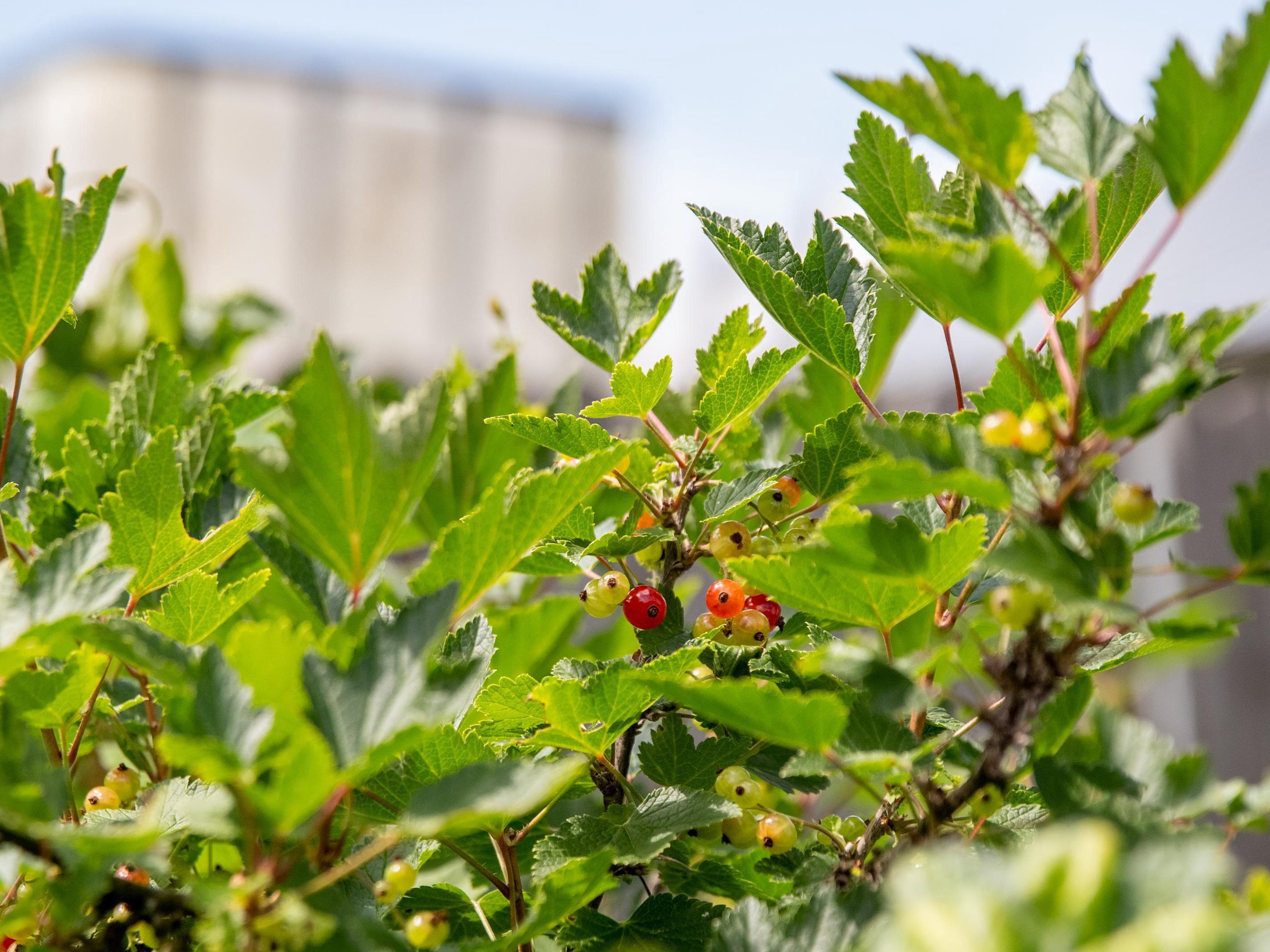
Most locally adapted currant varieties overwinter successfully without protective wrapping or insulation.
Currants do not require additional protection or covering for winter if the variety is locally adapted. Most cultivars today have high winter hardiness.
«In Siberia, for example, the climate in recent years has become even warmer than before. The frost-free period has increased by about a month and a half,» noted Lyudmila Shubina. «Covering will simply cause the bush to rot.»
For winter, feeding and hilling are sufficient. In the garden, only blackberries, grapes, and climbing roses require covering.
What else to read about the garden and vegetable plot
What to buy in fall for planting at the dacha (summer cottage) and where plants are cheaper — a review.
Time for zyablevaya vspashka (fall tillage): how to prepare beds for winter — key tasks and fertilizers.
Be sure to prune: when to plant raspberries in fall and how to prepare bushes for winter — effective methods.