Saiga Reaches 80 km/h in Orenburg Steppes After 20 Years
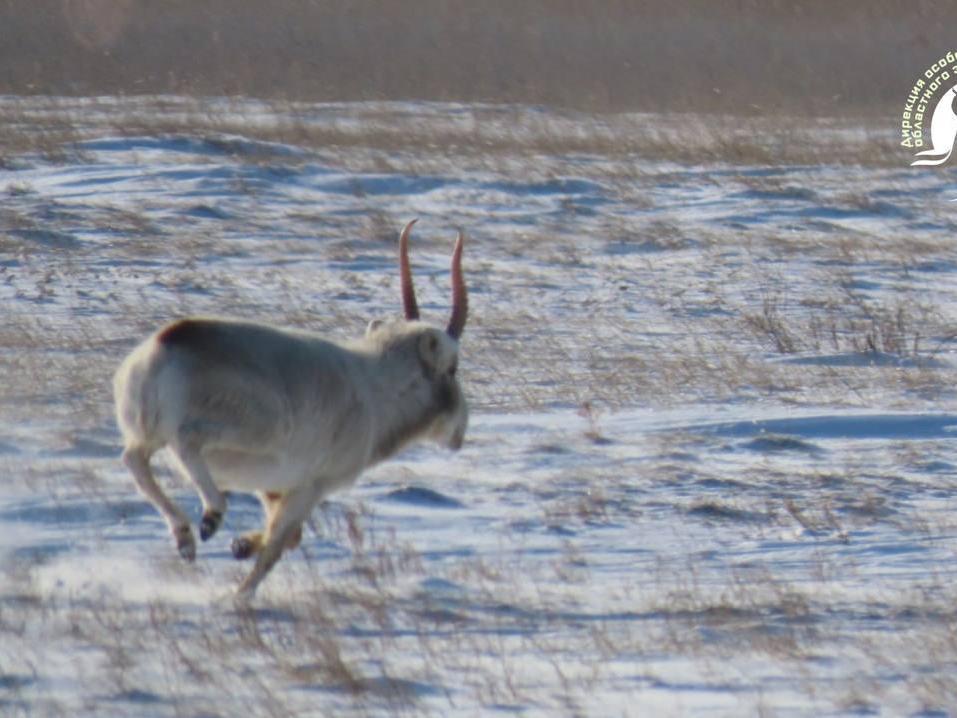

Inspectors of the Svetlinsky biological reserve were patrolling the area and encountered a unique animal—the saiga antelope. The event is joyous because the even-toed ungulate has not shown itself for a full 20 years.
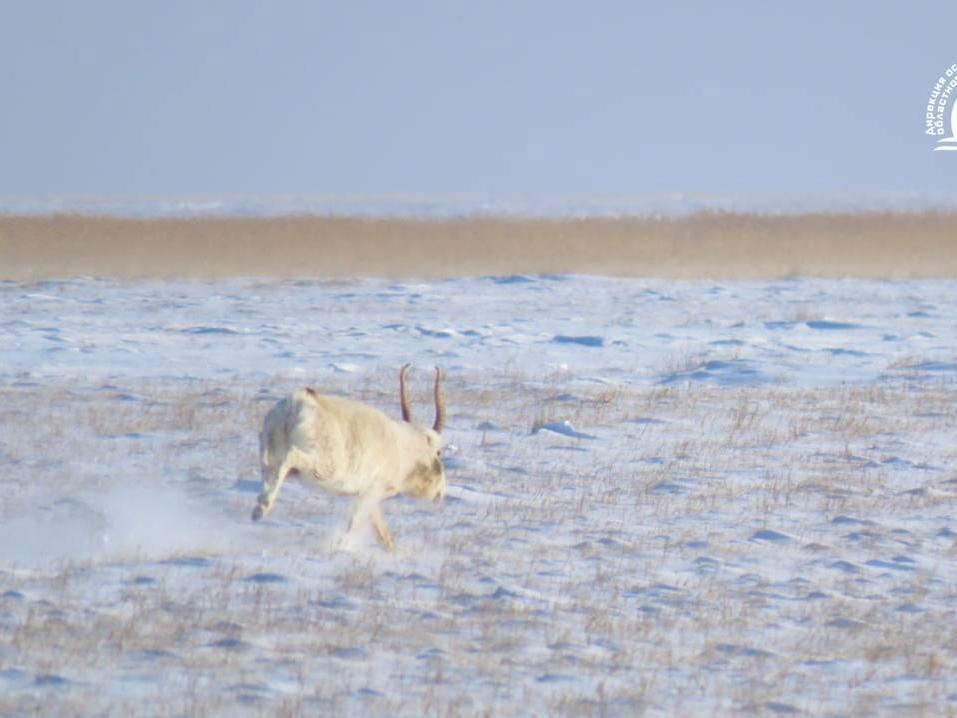
The saiga antelope belongs to mammals from the subfamily of true antelopes. It is truly considered a relic, as it has lived on Earth since the last ice age. According to specialists, the horned animal outlived woolly mammoths and saber-toothed tigers.
What else makes saiga antelopes unique?
In summer, their fur is golden-yellow, and in winter it becomes light gray. This allows the animal to literally blend in with the snow-covered steppe;
The saiga has a large convex nose with downward-pointing nostrils, which helps it filter dust while running;
The even-toed ungulate can accelerate up to 80 kilometers per hour, while lowering its head low and raising clouds of dust;
The hip joints of the hind limbs can move the legs forward and backward. And the muscles do not tense up, thanks to which the animal can avoid tiring for a long time during runs.
‘Each such encounter confirms the exceptional value of our specially protected natural areas and the importance of work to preserve them,’ noted the inspectors of the Svetlinsky reserve.
Earlier we told about a fox cub from the ‘Pre-Ural Steppe’ who went hunting unsuccessfully. Inspectors captured the moment when the prey slips out of the fluffy one«s paws.