Heightened readiness regime canceled in Chita after animal disease outbreak
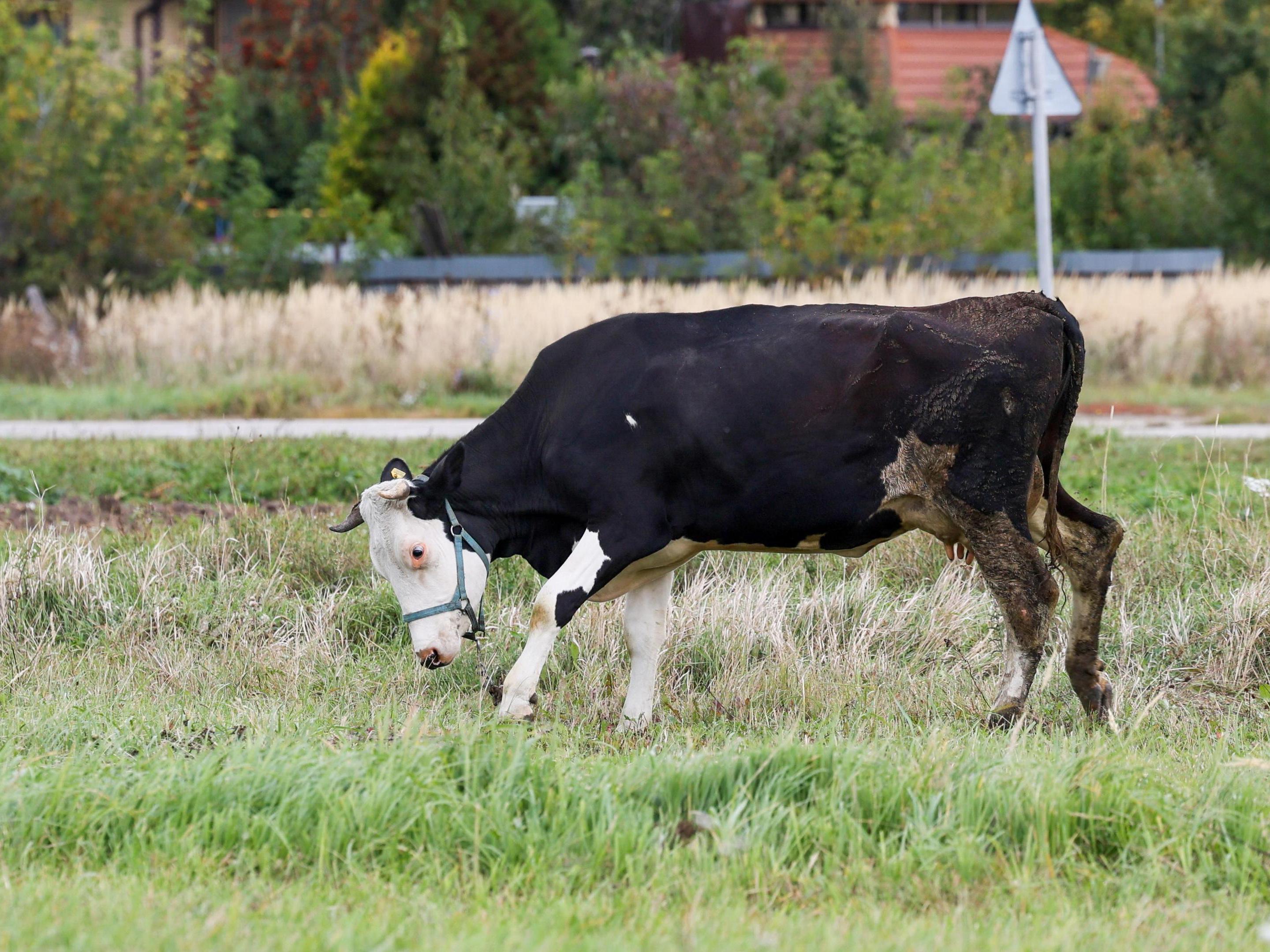

The heightened readiness regime due to the spread of pasteurellosis in animals was canceled in Chita after three months. The corresponding decree was published on the administration«s website on January 23, signed by Mayor Inna Shcheglova.
The decree states that the regime is being canceled due to the elimination of the reasons for its introduction. As explained to Chita.Ru by Deputy Mayor Andrei Grenishin, there was no disease outbreak in the city. The introduction of the regime was preventive in nature.
«At the regional level, corresponding headquarters were working, and all municipalities were recommended to be prepared for possible risks. The threat arose due to the spread of the disease in the southeastern districts of Zabaikalsky Krai and the possible movement of infected livestock. Given that a federal highway passes through Chita, a heightened readiness regime was introduced in case livestock could enter the city territory and create a threat of infection. This is not an emergency, it«s »heightened readiness«. Currently, the necessary measures have been carried out, the situation has stabilized, so the heightened readiness regime is being lifted», he said.
The press service of the State Veterinary Service (Gosvetsluzhba) declined to comment by phone.
On November 24, it became known that Chita Mayor Inna Shcheglova signed a decree introducing a heightened readiness regime in the city. According to the document, city services assisted the state veterinary service in conducting anti-epizootic measures. In particular, the Civil Defense and Emergency Situations Department was required to conclude contracts for the transportation, loading, and disposal of biological waste, as well as pay for the meals of checkpoint employees and employees involved in eliminating the epizootic outbreak.
Since autumn, outbreaks of pasteurellosis have been identified in several districts of Zabaikalsky Krai. A state of emergency was declared in Mogoytuy District, Zabaikalsky District, Ononsky District, and Borzinsky District. For example, in Borzya agricultural fairs were banned, and in Mogoytuy, farmers complain about the mass destruction of livestock, the immediate application of extreme measures without the possibility of treatment, and the concealment of information by local authorities.
The State Veterinary Service indicated that the situation became difficult because the farmers themselves did not take preventive measures to prevent the disease outbreak.
Rospotrebnadzor (Federal Service for Surveillance on Consumer Rights Protection and Human Wellbeing) denied rumors of human infection, noting that it is possible with weak immunity.
Pasteurellosis (hemorrhagic septicemia) is transmitted from animals to humans. It affects cattle, sheep, pigs, horses, many species of wild animals, as well as all types of domestic and wild birds. The disease is characterized by fever, general intoxication, inflammation of the skin, subcutaneous tissue, and damage to joints, bones, and internal organs.